
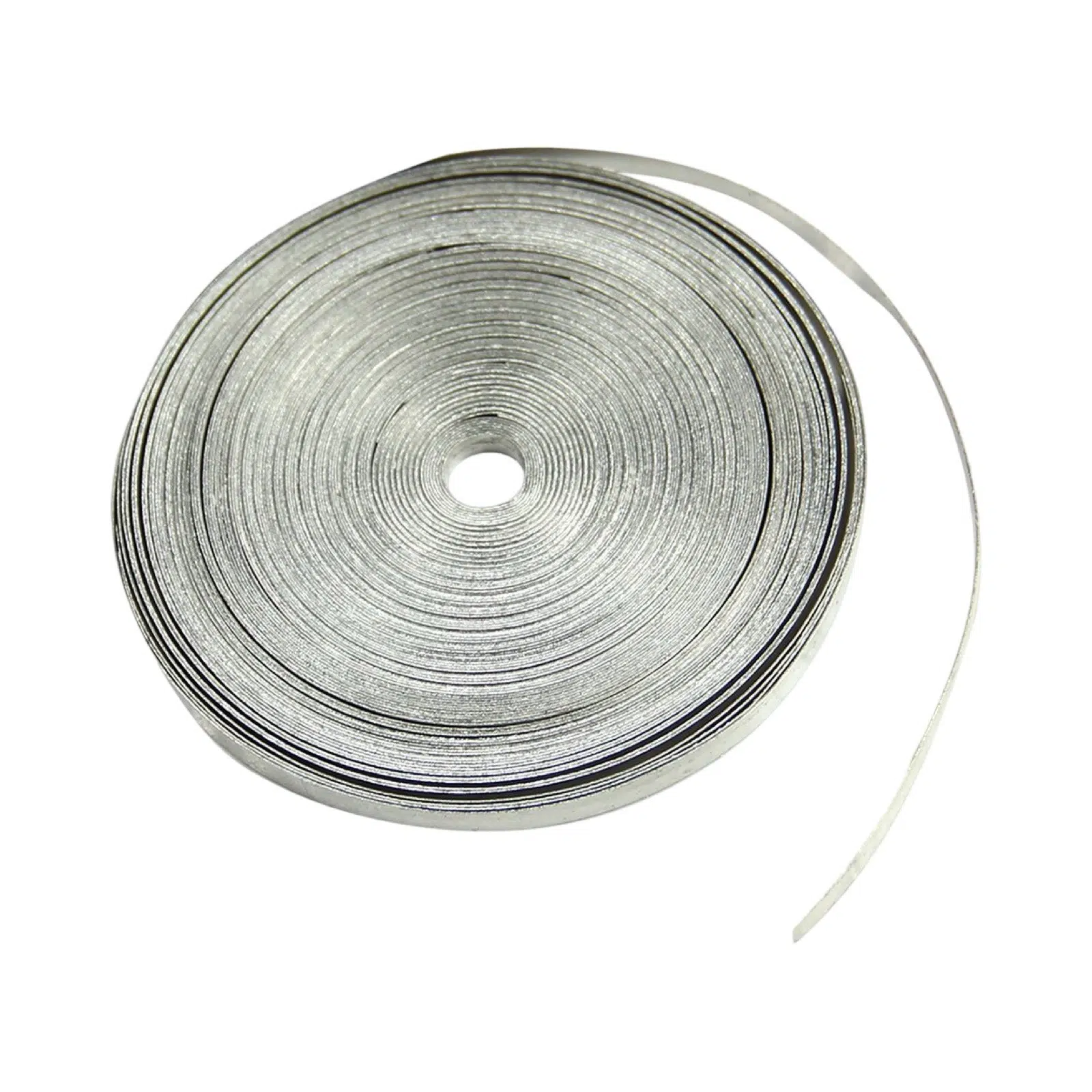
Magnesium Ribbon 25gm
- Introducing the Magnesium Ribbon 25G, a versatile item for various applications.
- Made from pure magnesium, it offers a lightweight and durable solution for experiments and industrial processes.
- Weighing 25 grams and 70 feet long, it provides ample material for your needs
₹60.00 ₹100.00
- To pick up today
- Free
- More details
- More details
The burning of magnesium ribbon is a classic experiment often used in chemistry classrooms to demonstrate the nature of chemical reactions, the release of energy, and the production of bright light. Here’s a breakdown of the experiment:
Objective:
To demonstrate the burning of magnesium metal in the presence of oxygen and to observe the formation of magnesium oxide.
Materials Needed:
- Magnesium ribbon
- Tongs
- Bunsen burner
- Safety goggles (for protection)
Procedure:
- Prepare the magnesium ribbon: If the ribbon is coated with any oxide layer (which can form if it’s been exposed to air for a while), you can lightly sand it with sandpaper to expose the shiny metal underneath.
- Set up the Bunsen burner: Light the Bunsen burner and adjust the flame to a medium size.
- Heat the magnesium ribbon: Hold the magnesium ribbon with tongs, and place it in the flame of the Bunsen burner. Be sure to keep a safe distance from the flame to avoid burns.
- Observe the reaction: As the magnesium ribbon heats up, it will begin to burn with a very bright, white light. The reaction is intense, so be sure to wear safety goggles.
- Complete combustion: After a short period, the ribbon will completely burn, and the product formed is magnesium oxide (MgO), which is a white powder that collects in the air or on the surface.
- Cool down: Once the reaction is finished, allow the magnesium oxide to cool before handling it.
Chemical Reaction:
The reaction that occurs is:
2Mg (s)+O2(g)→2MgO (s)text{2Mg (s)} + text{O}_2 text{(g)} rightarrow text{2MgO (s)}2Mg (s)+O2(g)→2MgO (s)
Magnesium (Mg) reacts with oxygen (O₂) from the air to form magnesium oxide (MgO).
Observations:
- Bright white light: Magnesium burns with an intense, bright white flame.
- Formation of magnesium oxide: After burning, a white ash (magnesium oxide) is formed.
- Exothermic reaction: The reaction releases a significant amount of energy in the form of heat and light.
Conclusion:
This experiment highlights the reactivity of magnesium and the nature of combustion reactions. It demonstrates that magnesium, when heated, reacts vigorously with oxygen, producing magnesium oxide. The bright light emitted during the burning of magnesium is an example of energy being released in an exothermic reaction.
- Overview
Related products
-
Chemistry, Glassware
Watch Glass 3″
0 out of 5(0)- A Watch Glass is a round, concave glass dish used in chemistry for evaporation.
- Chemists use it to evaporate liquids, weigh solids, and cover beakers during sample preparation.
- It helps them observe the formation of precipitates or crystals.
- The available sizes are 3″ and the pack sizes are 12pcs.
SKU: n/a -
Chemistry, Glassware
Specific Gravity Bottle
0 out of 5(0)- Specific Gravity Bottles or Relative Density Bottles are crafted from high-quality borosilicate glass
- Available in 10ml, 25ml, 50ml, and 100ml capacities with a flat bottom for accurate measurements
- Comes with a perforated stopper for convenience in various applications
SKU: n/a₹54.00 – ₹80.00Price range: ₹54.00 through ₹80.00 This product has multiple variants. The options may be chosen on the product page